The Honest Truth About Living in Littleton, Colorado
10 Reasons You Might Not Like Living in Littleton, Colorado
Thinking about moving to Littleton? Good. It's worth thinking through carefully — because while Littleton is genuinely one of the best spots in the Denver Metro, it's not the right fit for everyone.
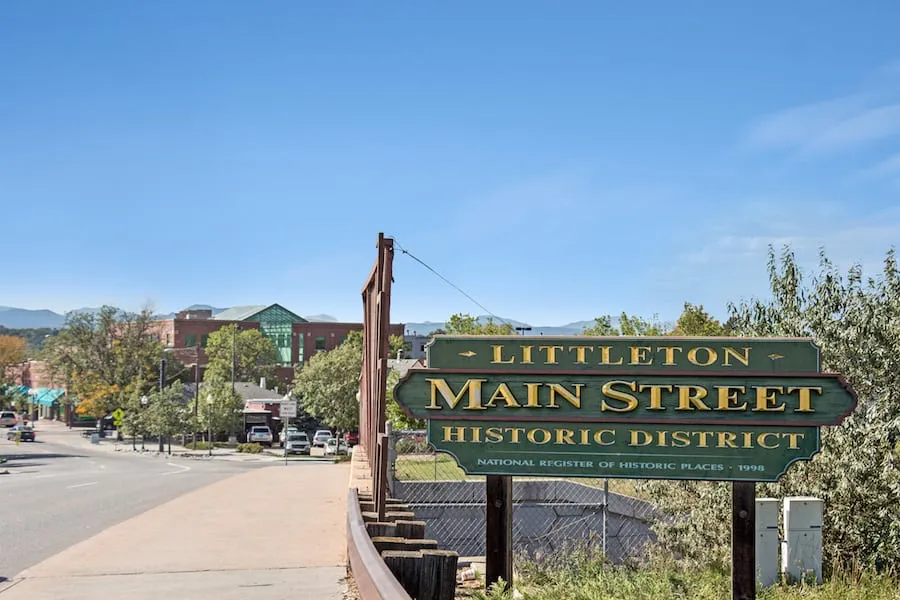
This isn't a scare piece. Littleton has beautiful parks, easy mountain access, great neighborhoods, and a walkable downtown with local restaurants, coffee shops, breweries, and boutique shops along a historic main street. People who live here tend to love it. But every place has trade-offs, and the people who struggle after moving here are usually the ones who didn't know what they were walking into.
So here's the honest version.
Prefer to watch instead of read? We covered all of this on our YouTube channel — check out the video below. Otherwise, keep scrolling for the full breakdown.
1. The Dry Air Will Get You — At Least at First
If you're moving from Florida, Texas, the Midwest, or anywhere humid, the air in Littleton is going to feel strange. Littleton sits at around 5,300 feet, and at that elevation the air is thin and very dry. Your lips will chap. Your skin will feel tight. Your nose might bother you for the first few weeks, especially in winter when the heat runs constantly and pulls even more moisture out of the air.
Most people end up buying a humidifier within the first month. Most people also adjust within six to eight weeks. But if you have respiratory issues, sensitive skin, or any chronic sinus problems, it's genuinely worth talking to your doctor before you make the move. It affects people differently, and it's better to know going in.
The flip side? Summer days here are rarely sticky or muggy. After a few months, you'll wonder how you ever lived in humidity.
2. The Elevation Hits Your Body in Ways You Don't Expect
The dry air is one thing. The actual altitude is another. People who move from sea level often feel genuinely out of breath during their first few weeks — not just during workouts, but doing completely normal things. Walking up stairs. Carrying groceries in from the car. Going for what you thought would be an easy evening walk around the neighborhood.
You're probably not out of shape. Your body just needs time to build more red blood cells to carry oxygen efficiently at this elevation. That process takes time, and there's no shortcut.
Alcohol also hits faster at altitude, which catches a lot of people off guard at their first dinner party. And hydration matters more than it did at sea level — most locals drink significantly more water than they did before moving here.
Give yourself four to six weeks before you judge how you feel. Almost everyone adjusts, and most people eventually feel better here than they did closer to sea level.
3. Home Prices Are Higher Than Most People Expect
Littleton is desirable, and the market reflects that. As of spring 2026, median home prices in the area were hovering around $635,000. That doesn't mean every home costs that much — there are condos, townhomes, and smaller single-family homes that come in lower — but buyers moving from lower-cost states are often surprised by how far their budget goes, or doesn't go, here.
Updated homes in good locations near parks, trails, top-rated schools, or charming neighborhoods can push well above that median. A renovated four-bedroom near Clement Park or South Platte Park will not be a bargain.
If budget is a real constraint, nearby areas like Parker, Castle Rock, and parts of Lakewood are worth comparing. You may find more square footage or newer construction for a similar price. That doesn't make Littleton the wrong choice — it just means your expectations need to be realistic before you start touring homes and falling in love.
4. Don't Forget About Insurance
A lot of buyers calculate their mortgage, their down payment, their property taxes — and then get surprised by homeowners insurance after they're already under contract. Colorado gets serious hail. Some storms cause significant roof and exterior damage, and insurance companies price that risk into your premium. If you're buying near open space or the foothills, wildfire risk can push costs even higher.
Colorado's property taxes are generally more reasonable than states like Texas, Illinois, or New Jersey. But insurance can offset that advantage quickly, and it's one of the most commonly overlooked costs in the buying process.
Get insurance quotes early — ideally before you make an offer — so your monthly payment math is accurate from day one. Your lender will thank you too.
5. Winters Are Mild, But They Linger
Colorado winters aren't as brutal as people imagine, and Littleton gets a lot of sunshine even in the colder months. A big snowstorm will often be followed by blue skies and melting pavement within a day or two. That part is genuinely beautiful and one of the things locals love most about living here.
That said, winter here stretches longer than most people expect. You can see snow in late September and again in May. That's not constant snow — it comes and goes in waves with plenty of sunny stretches in between — but if you love a long growing season or want reliable spring weather starting in March, Colorado will test your patience.
Many locals don't plant gardens until late May to be safe. By September, nights are already cooling down fast and the growing season starts winding down. Spring and fall exist here, but some years they feel like a long weekend between winter and summer. If you're a gardener or spend a lot of time outdoors, plan around it.
6. Traffic Has Caught Up with Growth
Littleton used to be an easy place to get around. It's still calmer than most large cities, but the Denver Metro has grown significantly over the past decade, and Littleton has felt it. Santa Fe Drive gets congested during rush hour. C-470 backs up, especially near the I-25 interchange. If your commute takes you toward downtown Denver or the Denver Tech Center, build extra time into your expectations.
The drive to Denver International Airport is also worth factoring in. Depending on your exact location in Littleton and traffic conditions, you're looking at 45 minutes to well over an hour. For occasional trips it's manageable. If you're a frequent business traveler, it becomes a real part of your weekly routine.
7. "Littleton" Doesn't Always Mean What You Think
This one catches a lot of buyers off guard. A home can have a Littleton mailing address and not actually be inside the City of Littleton. Parts of the broader Littleton area fall in Arapahoe, Jefferson, or Douglas County depending on the exact location — and that affects more than most people realize.
School district. Property taxes. HOA rules. Trash and utility providers. Emergency services. Short-term rental regulations. Two homes that both say "Littleton" on the listing can sit in completely different jurisdictions with different costs, different rules, and different resale dynamics.
Don't rely on the mailing address alone. Before you get serious about a home, verify the actual county, the school district boundaries, and what services and rules apply to that specific address. A good local agent will know this cold.
8. Many Homes Are Older — and That's a Mixed Bag
Littleton's established neighborhoods are a big part of its appeal. Mature trees, larger lots, streets with real character. But much of that housing stock was built in the 1970s, 1980s, and 1990s, and it shows — smaller closets, older kitchens, lower ceilings, and HVAC systems that may be approaching the end of their useful life.
Some of these homes have been beautifully updated and are move-in ready. Others still need significant work, and the listing photos don't always tell the full story. If you're coming from a newer construction market, parts of Littleton may feel dated at first glance.
The trade-off is worth understanding. Older Littleton neighborhoods often have bigger lots, more mature landscaping, and a more established feel than brand-new subdivisions. What you give up in modern finishes, you often gain in character and space. Go in with eyes open about what may need updating, and budget accordingly.
9. It's Quiet. Really Quiet — Some Nights.
Downtown Littleton has a genuinely pleasant walkable main street — local restaurants, coffee shops, breweries, and boutique shops that give it real character. It's worth spending an afternoon there before you buy.
But after a certain hour, many neighborhoods get very quiet. If you want nightlife, late-night energy, or a packed social calendar within walking distance of your front door, Littleton probably isn't going to deliver that consistently. You'll be driving into Denver. That works fine for a lot of people — but it's a meaningful lifestyle difference from living in or near a more active urban core.
Visit on a weekday evening. Walk around after 8pm. See how the energy feels before you commit to a neighborhood.
10. Good Homes Still Move Fast
Even as the market has cooled from its peak, well-priced and well-located homes in Littleton still attract serious attention. As of early 2026, homes were going under contract in roughly 13 to 18 days on average. That number shifts by neighborhood and price point, but it means unprepared buyers miss out more often than they expect.
Have your pre-approval current before you start touring. Know your budget, your must-haves, and your deal-breakers. Get insurance quotes before you fall in love with a specific home. And understand the neighborhoods well enough that when the right house comes up, you can make a confident decision without scrambling.
Preparation doesn't mean rushing. It means being ready.
So Should You Move to Littleton?
Probably — if you want an established community with mountain access, strong neighborhoods, good local dining, and a quieter pace that still keeps you connected to everything the Denver Metro offers. It's a place where people genuinely put down roots and stay.
But if you're expecting low home prices, brand-new construction everywhere, a quick run to the airport, or a buzzing nightlife scene outside your door, Littleton will likely disappoint.
The biggest mistake buyers make is falling in love with listing photos and skipping the harder questions. Budget, commute, insurance, neighborhood feel, home age, school districts — these things shape your daily life just as much as the floor plan does.
Ewelina Kurka and Simon Dzienis with DZI Partners at Your Castle Real Estate help buyers work through all of it — not just finding the right home, but making sure Littleton is actually the right fit.
Ewelina: 720-936-7573 | Simon: 720-936-7873